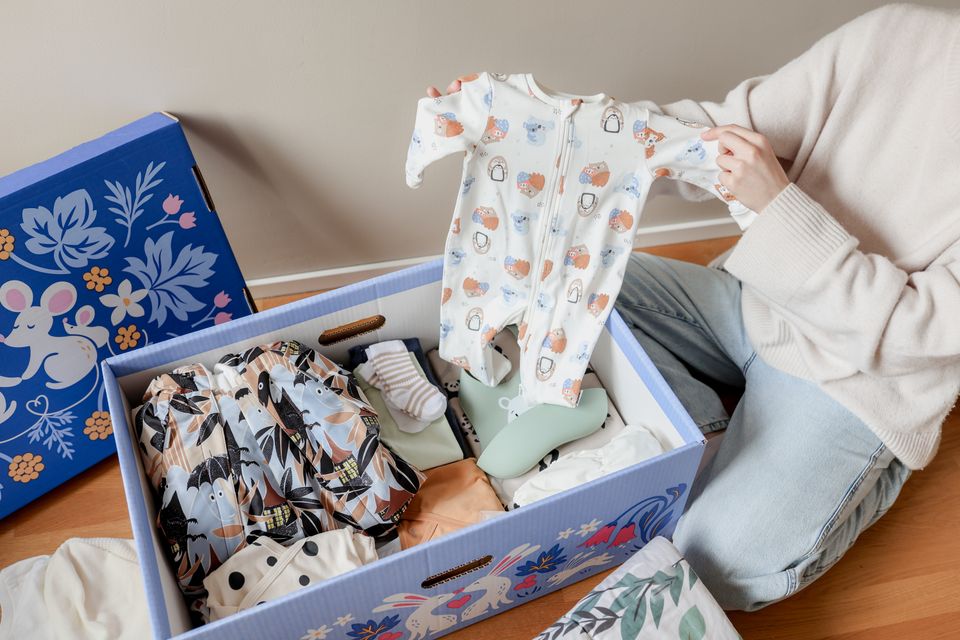
A Nordic-inspired maternity support package will be introduced in Scarborough by the county’s elected mayor.
A ‘Cradle to Career’ campaign to support young people across the region and to offer them the best start in life is going to be launched by David Skaith, the Mayor of York and North Yorkshire.







The £400,000 scheme would fund two pilot projects: a baby box pilot in Scarborough, based on a Finnish model, and a children’s literacy scheme in Selby.
The universal baby box pilot programme would be rolled out for a year, which was chosen as an area of focus due to ongoing concerns around early language and child development, alongside high levels of vulnerability in the area linked to social and economic factors.
The maternity package includes baby clothes and other items for expectant mothers to promote the wellbeing of baby and family.
It would be based on the flagship scheme in Finland, where the baby box has been a universal benefit since 1949 and is given to all expectant mothers provided they attend antenatal care.
The boxes in Scarborough would contain a mix of developmental toys and books, practical items such as thermometers, and information booklets for parents and carers on topics such as reading, safe sleep, and weaning.
A key feature of the scheme is that referral for the baby box would be made by a Health Visitor at an antenatal visit, providing further engagement between parents and key public services.
“Originally, the biggest success was getting mothers into healthcare services and improving the circumstances of poorer families,” said Anneli Miettinen, a research manager at the governmental Social Insurance Institution of Finland (Kela).
While the role of the baby box has changed over the decades, the key feature of linking mothers to healthcare services remains, she told the Local Democracy Reporting Service (LDRS).
“Today its role is different. Most families are no longer in a situation where they couldn’t otherwise obtain baby essentials. Nowadays it perhaps has more symbolic importance, and it’s a shared experience that connects families,” Ms Miettinen noted.
She added: “The feedback we receive suggests it acts as a starter kit – many parents don’t initially realise everything they’ll need for a baby. There are so many things to think about, and the package makes life easier by providing outdoor clothing, bedding, and a range of essentials.”
Key aims for Mr Skaith’s plan include supporting parents both financially and through information, and by increasing confidence, bonding, and child development.
If approved at a meeting on Friday, September 11, the scheme would be allocated £165,000 for the boxes, in addition to staff resource costs.
The Children’s Foundation, an independent children’s charity founded in Newcastle, is the authority’s preferred partner organisation. It provides boxes to families across the Northeast of England.
The charity said more than 95 per cent of surveyed recipients reported the box saved them money, helped with bonding and interacting with their baby, and made them feel more prepared for becoming a parent.
In Finland, the maternity package is still considered a valuable social benefit, with about 90 per cent of first-time mothers choosing the box instead of a cash grant, and it has been trialled or introduced in more than 60 countries worldwide, including Scotland.
Anniina Kuokka, a coordinator at the Social Insurance Institution of Finland (Kela), has been involved in discussions with the York and North Yorkshire Combined Authority and Mr Skaith about the practicalities of introducing the baby box programme in North Yorkshire.
Ms Kuokka said there were some misconceptions surrounding the impacts of the baby box scheme.
“One misunderstanding is the belief that the maternity package alone explains Finland’s low infant mortality or maternal mortality rates. A much larger factor is the connection with maternity clinics and healthcare services. And because every family receives it, it helps ensure all children start life on an equal footing,” she told the LDRS.
The mayor’s baby box proposal highlights that because the referral for a baby box would be taken by a Health Visitor at an antenatal visit, it will provide “further engagement between parents and key public services”.
“We hope that by establishing this relationship earlier, they will utilise the support that these services offer once the baby is born,” a report states.
The report notes that while private companies and some charities do offer boxes with various items, these interventions “rarely reach lower-income families who would benefit from the support more”.
Ms Miettinen, research manager at Kela, notes that the success of the Finnish model is strongly linked to its universality.
“The maternity package does not carry any social stigma. People don’t see it as something only poor families receive, or as a sign that a family needs special help. It’s genuinely universal and used throughout society. In some ways, it is a unifying experience,” she told the LDRS.
“If you’re walking around town and see another child wearing the same snowsuit your own child had, it’s a shared experience.”
By: Anttoni James Numminen, LDRS